Lithium-ion batteries have been the integral part of our daily life. It is clear that lithium ion batteries is used in so many products. But do you know how to charge lithium ion batteries? Charging a lithium battery correctly is crucial to ensure its longevity and optimal performance.
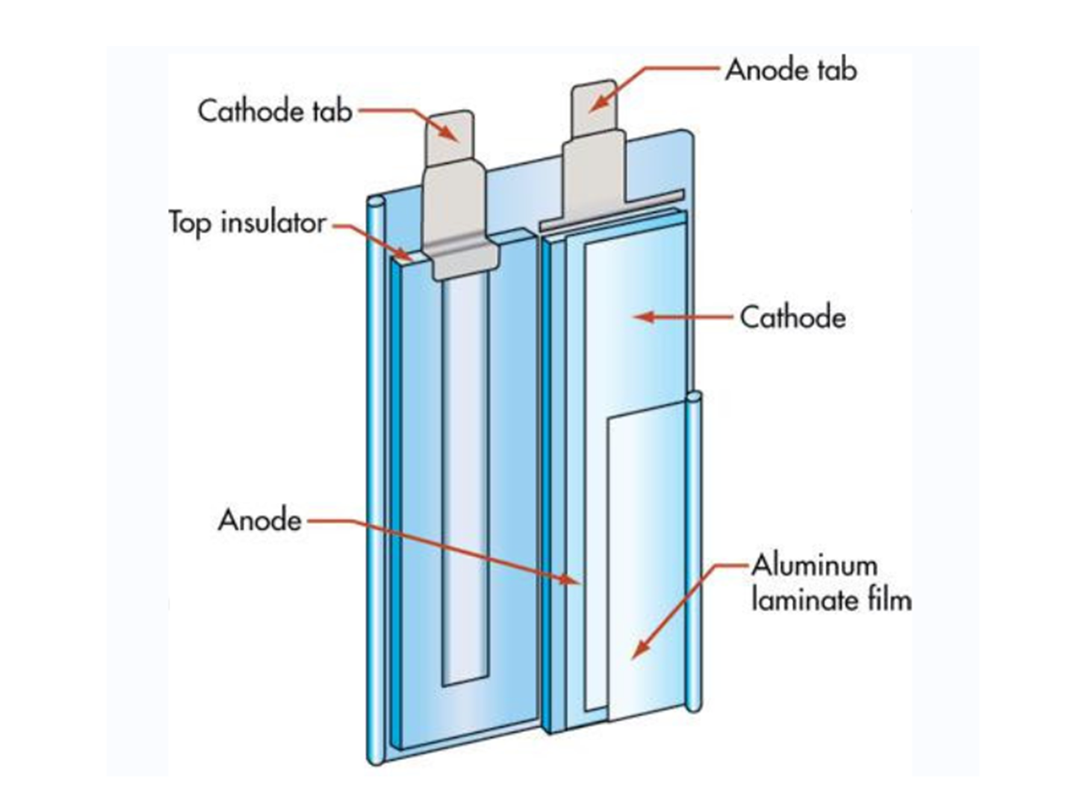
Lithium-ion batteries have become an integral part of our daily lives, powering everything from smartphones to electric vehicles. However, charging a lithium battery correctly is crucial to ensure its longevity and optimal performance. Understanding the Working Principle of Lithium Batteries To understand how to charge a lithium-ion battery, it's essential to first grasp its working principle. A lithium-ion battery operates on the movement of lithium ions from the negative electrode to the positive electrode during discharge, and vice versa during charging.
Stages of Lithium Battery Charging
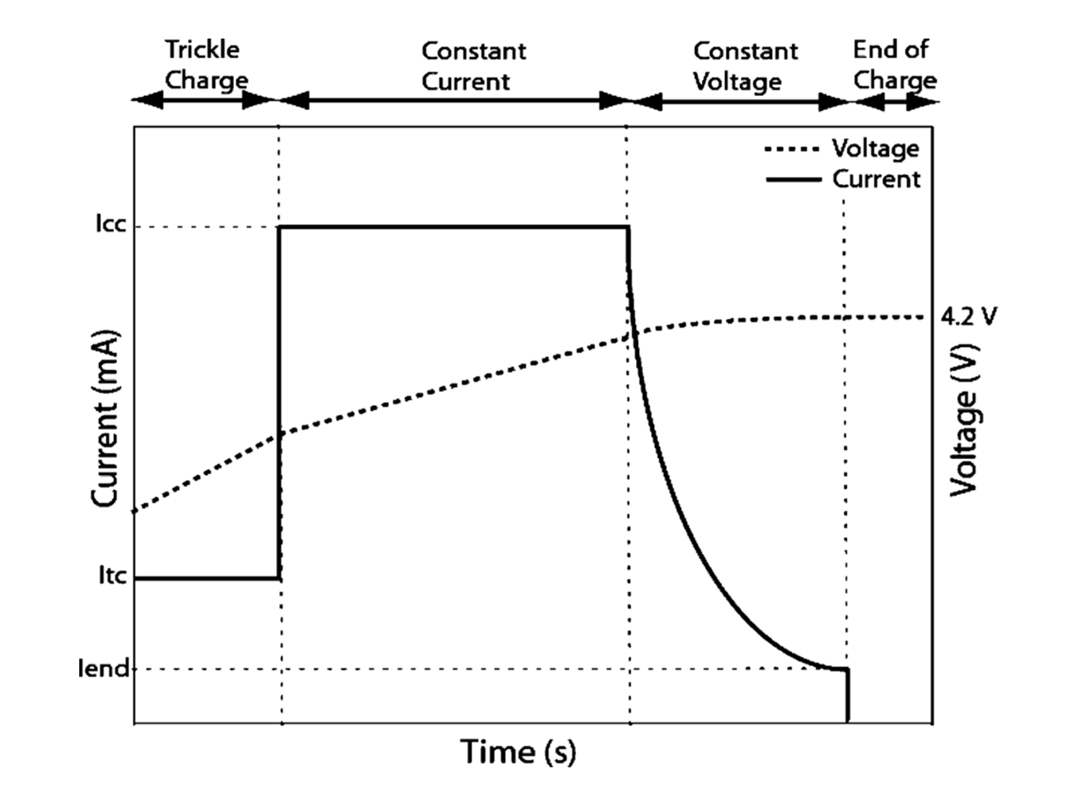
Charging lithium batteries involves three stages: trickle charging, constant current and constant voltage.
1. Trickle Charging: This is the initial stage where the charger maintains the battery at full charge. Trickle charging is used to precharge (recovery charging) fully discharged battery cells. Trickle charging is used when the battery voltage is below about 3V.
2. Constant Current: This is the stage of charging where the charger applies a constant current to the battery, causing the voltage to gradually increase.
3. Constant Voltage: Once the battery voltage reaches a specified level, the charger switches to a constant voltage mode. This prevents overcharging while allowing the current to taper off as the battery charges.
Choosing the Right Charger for Lithium Batteries
When it comes to lithium battery charging, selecting the right charger is crucial. The charger should match the voltage and current specifications of your lithium-ion battery to ensure safe and efficient charging.

Precautions
When Charging Lithium Batteries While charging lithium batteries, certain precautions should be taken to ensure safety and prolong battery life. These include not overcharging or discharging the battery, avoiding high temperatures, and using a charger designed for lithium-ion batteries.
Conclusion
In conclusion, understanding the process of li-ion batteries charging is key to maximizing their lifespan and performance. By following the correct charging procedures and precautions, you can ensure that your lithium-ion batteries serve you efficiently and safely for a long time.
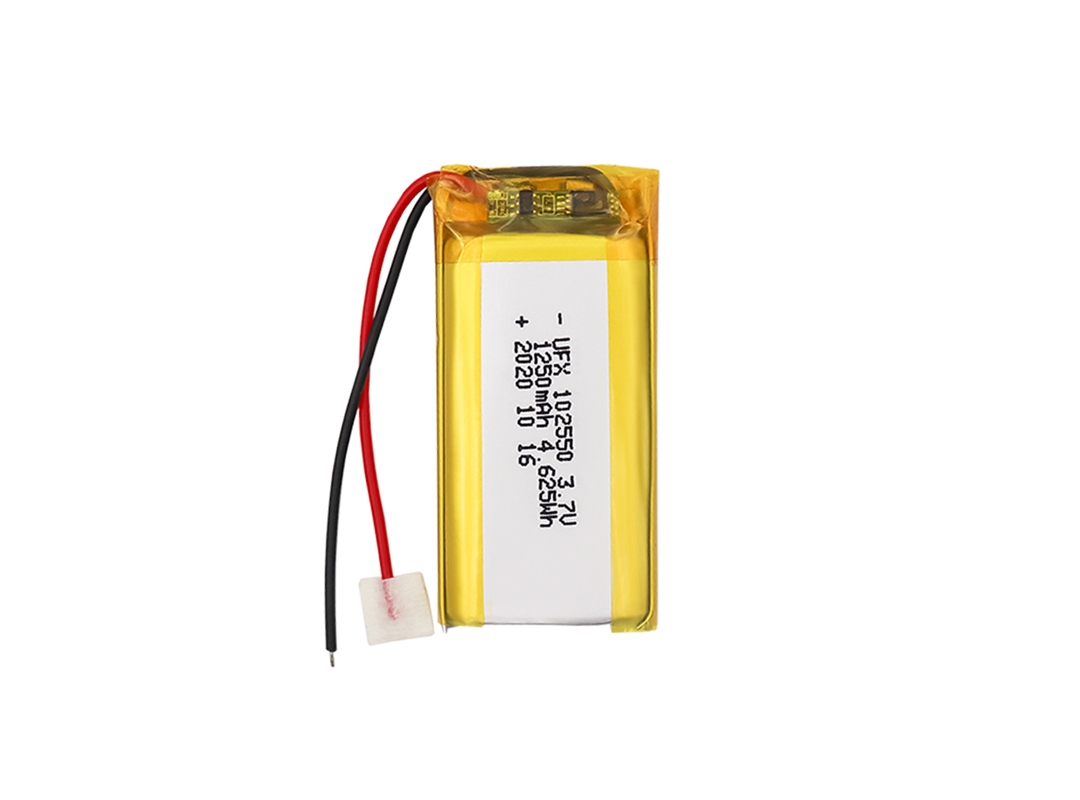
Remember, the key to effective lithium battery charging lies in understanding the battery's working principle, using the right charger, and following the correct charging stages and precautions.


