
In recent years, Li-polymer batteries have been widely used as a high energy density power source. However, the safety of Li-polymer batteries has been a major concern. This paper will discuss the principles of safety issues of Li-polymer batteries and the factors that may lead to safety issues during the production process. In addition, the testing standards and methods for the safety performance of lithium batteries will be introduced to improve the safety of lithium batteries. There is also how we should use lithium batteries properly to avoid lithium battery damage and fire problems.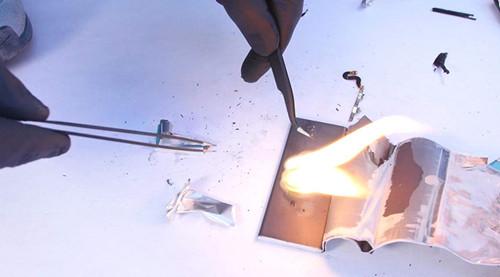
The principle that Li-polymer batteries are prone to fire
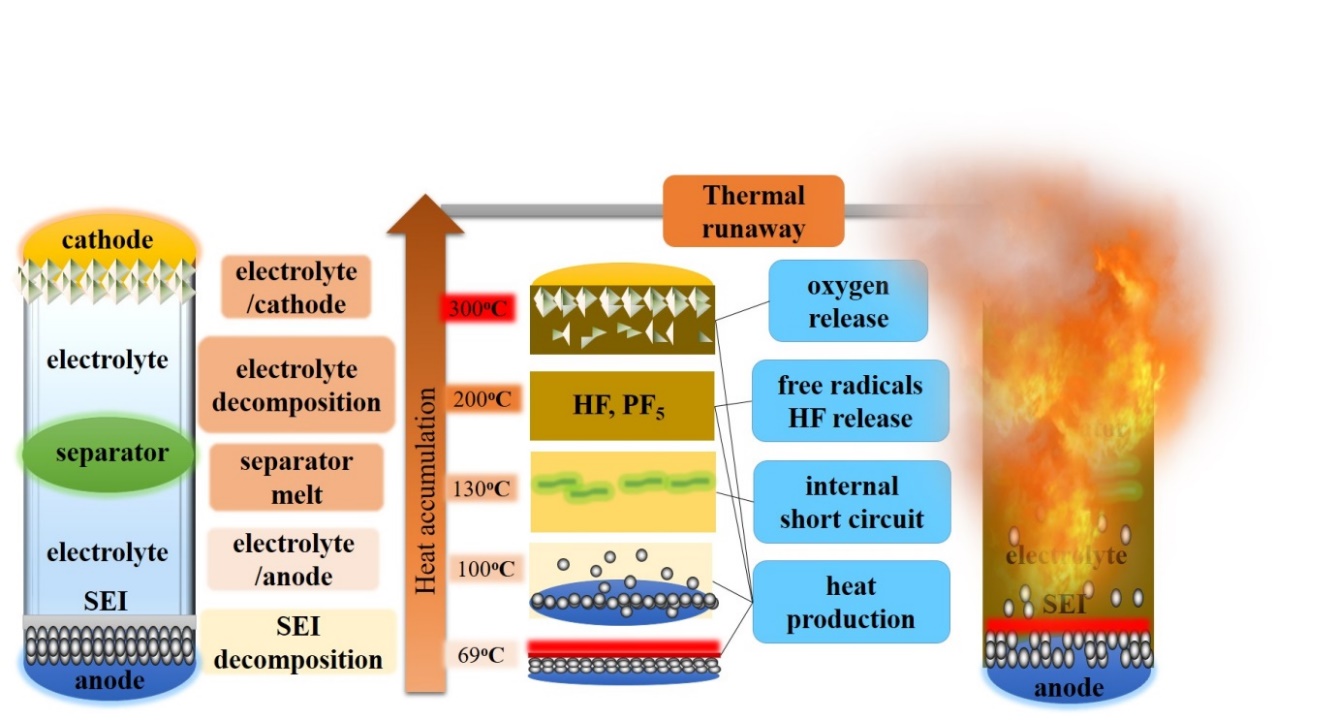
The main principle behind the tendency of lithium polymer batteries to catch fire is the thermal runaway reaction caused by overheating. Thermal runaway is caused by the fact that the rate of heat generation is much higher than the rate of heat dissipation, and that a large amount of heat accumulates and is not dissipated in time. This reaction is caused by a combination of factors, including the thermal decomposition of the polymer electrolyte: the polymer usually decomposes thermally at ~100 to 300°C. The decomposition temperature is related to the chemical structure of the monomer, the degree of polymerisation, the length of the polymerisation chain, the crystallinity and the atmosphere; the oxidation of the electrode material: the electrolyte is usually an organic solution of alkyl carbonate, which is flammable. And the positive electrode material is usually transition metal oxide, which has strong oxidation in the charging state, and is easy to decompose and release oxygen at high temperature, and the released oxygen reacts with the electrolyte in oxidation, and then releases a large amount of heat; the generation of lithium metal, etc. The internal resistance of the electric cell is too high in the charging and discharging process is prone to high temperature, once the thermal runaway, it will catch fire and explode. When the internal temperature of the battery exceeds a certain threshold, these reactions will rapidly amplify and generate a large amount of heat and flammable gases, resulting in a battery fire or explosion.
Factors in the production process that may lead to safety problems

Test standards and methods for the safety performance of lithium batteries
To ensure the safety performance of lithium batteries, a series of tests are required. Generic testing standards generally classify safety testing items into the following four categories: electrical testing, mechanical testing, thermal runaway temperature testing and environmental testing.
Thermal Runaway Temperature (Tc) Test: The thermal runaway temperature of a battery is determined by testing the battery's performance in a high temperature environment to assess the thermal stability of the battery.
Electrical tests include: short circuit test: simulates the internal short circuit of the battery to assess the short circuit resistance of the battery; overcharge test: charges the battery to over the rated voltage and observes its performance to assess the overcharge safety of the battery; over discharge test: discharges the battery to too low a voltage and observes its performance to assess the over discharge safety of the battery.
Environmental tests include impact tests: simulate the battery being impacted during use to assess the battery's impact resistance; flame tests: expose the battery to an open flame and observe its performance to assess the battery's flame resistance, etc.
Mechanical testing involves subjecting the battery to a range of extreme behaviours such as crushing, pinning, shock, vibration and dropping to test how the battery will react under extreme behaviour. Mechanical testing is carried out using a professional battery testing machine.
Through the above tests, the safety performance of lithium batteries can be fully assessed, providing an important reference for the design and production of batteries.
How should we properly use lithium batteries and how should we as consumers properly extinguish a fire when the battery is on fire
When we talk about the proper use of lithium batteries, we usually mean in terms of small applications, i.e. consumer electronics, such as home beauty devices, smartphones and laptops. Medium and large applications are much more complex, usually medium-sized applications are in new energy vehicles, which we generally call power batteries; large applications are usually in base stations, which are generally called energy storage batteries. Therefore, when we talk about "how to use lithium batteries", we limit lithium batteries to small applications in line with people's customary understanding.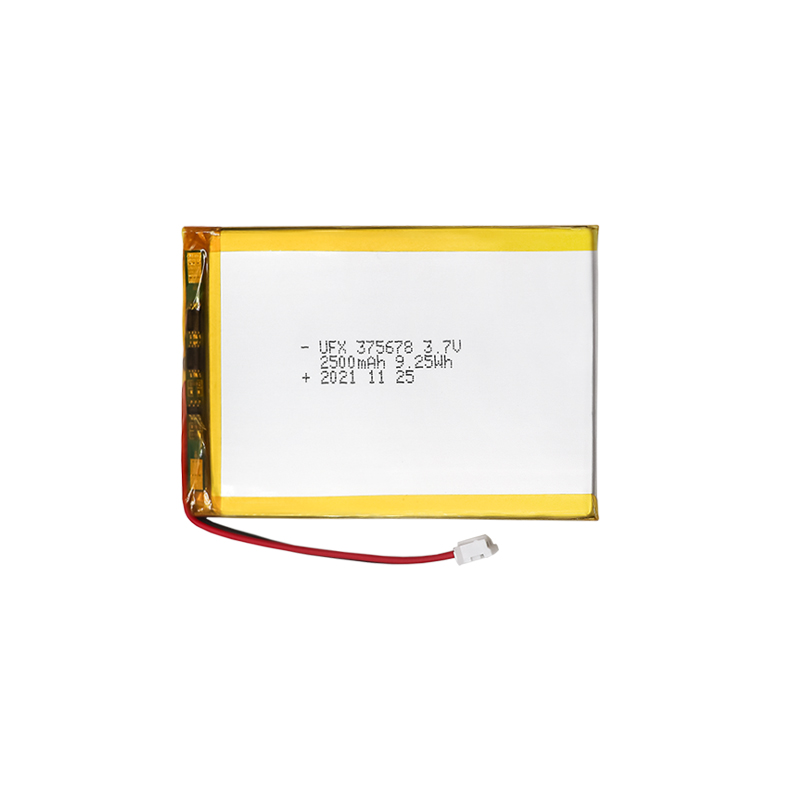
Charging
1. Original
Mismatched current and voltage when charging can damage the circuit system, shorten the life of the battery and even bring about safety hazards, so be sure to use the charger exclusively.
2. Moderate charging and discharging
Overcharging and discharging will greatly damage the battery, so do not wait for the power to be completely exhausted before charging, and do not charge for too long (avoid charging all night), generally keep the charger for 1-2 hours after the green light is on.
3. Pay attention to the charging environment
Charging in a humid environment of rain and snow can easily short circuit the circuit; charging in the summer under the hot sun can easily lead to spontaneous combustion. To ensure safety, you should choose to charge in a dry, ventilated and cool environment.