Lithium-ion batteries are widely used in today's tech-driven world to power everything from smartphones to electric vehicles. Understanding the factors that affect the cost of these batteries and knowing how to get the best deal is crucial for both consumers and businesses.
Understand the cost of lithium batteries and be a smart buyer
Lithium-ion batteries are widely used in today's tech-driven world to power everything from smartphones to electric vehicles. Understanding the factors that affect the cost of these batteries and knowing how to get the best deal is crucial for both consumers and businesses. Getting the best deal not only increases sales but also builds consumer confidence and facilitates transactions between consumers and businesses, thus promoting the development of the goods economy. In this article, we will explore these factors in detail and provide valuable insights on how to get the best deal on lithium-ion batteries.
So what are the factors that affect the cost of lithium-ion batteries?
1. Raw material cost:
The price of lithium-ion batteries is influenced by several factors, with the most significant being the cost of raw materials. Lithium-ion batteries consist of three main components: the anode, cathode, and electrolyte. Each of these parts requires specific raw materials for manufacturing. The Lithium ion battery construction shows below:
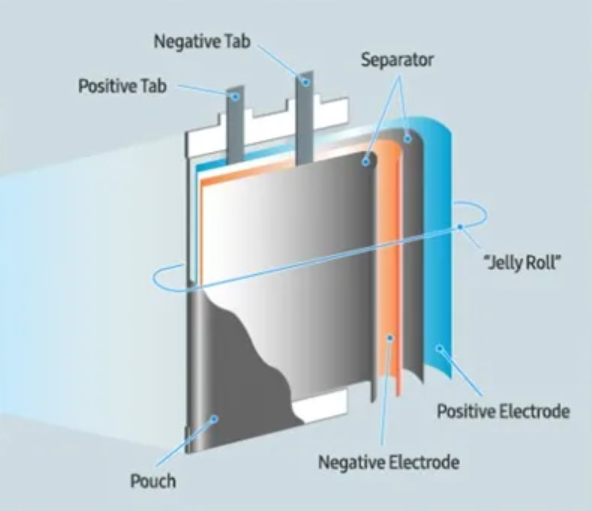
1.1 The anode (negative electrode) typically uses graphite as the main material, and the supply of this material is generally stable with little price fluctuation.
1.2 The cathode (positive electrode) is typically made of metal oxides (such as nickel, cobalt, manganese, etc.), and its price will vary according to the global market supply-demand dynamics. For example, in recent years, the rise of the electric vehicle industry has increased the demand for these metals, which leads to price increases.
The prices of lithium-ion batteries vary depending on the cathode material used. Lithium-ion batteries are mainly classified into four types based on the cathode material: NCM (nickel cobalt manganese), LFP (lithium iron phosphate), LCO (lithium cobalt oxide), and LMO (lithium manganese oxide). Generally, the price ranking for the same specification of lithium-ion batteries is LCO > NCM > LFP > LMO.
(1) NCM (nickel cobalt manganese) battery: NCM batteries have a balanced performance in terms of capacity and safety. They have a high energy density, and batteries with a higher voltage platform provide longer battery life in the same specifications. However, NCM batteries have poorer safety and shorter cycle life. Therefore, NCM batteries are mainly used in the consumer electronics industry, such as 3C digital products.
(2) LFP (lithium iron phosphate) battery: LFP batteries have advantages in safety performance and cycle life. They have good safety and longer cycle life. They also perform well in high-temperature environments and have a lighter weight. LFP batteries are mainly used in electric vehicles, electric screwdriver battery, power tools, and other applications.
(3) LCO (lithium cobalt oxide) battery: LCO batteries have stable structure, high volumetric energy density, and are suitable for extreme high and low-temperature environments. They can be used for high-rate and high-voltage batteries. However, LCO batteries have poor safety, high production cost, poor material stability, and shorter cycle life. They are mainly used in portable electronic devices.
(4) LMO (lithium manganese oxide) battery: LMO batteries have lower cost and higher safety compared to other types, but they are not resistant to high temperatures and have poor cycle performance. They are mainly used in electric tools with shorter endurance, such as balance cars and sweeping robots.
The choice of cathode material depends on the specific requirements and applications of the lithium-ion battery. Each material has its advantages and disadvantages, and the prices can vary accordingly.
1.3 The addition of organic solvents and lithium salts in the electrolyte will also affect the cost of the battery. Different types of lithium-ion batteries require different electrolytes, and when more expensive but safer solvents are used, the production cost of the battery will increase.
1.4 In addition, we cannot ignore the price of lithium. Lithium is an essential raw material in lithium-ion batteries, and if the price of lithium increases, the price of the battery will naturally rise as well.
Overall, the final price of lithium-ion batteries largely depends on the cost of their raw materials. Therefore, any technological innovation that can lower the cost of materials or improve their efficiency may potentially drive down the prices of lithium-ion batteries.
2. Manufacturing Process: The manufacturing process and technological level of batteries can also have an impact on costs. Efficient production lines and skilled craftsmanship can reduce production costs. Firstly, high production efficiency can greatly increase the capacity of the production workshop, increasing output within the limits of time and equipment. Secondly, skilled craftsmanship can reduce the scrap rate of lithium-ion batteries, thus lowering production costs.
3. R&D Investment: The research and development of battery technology requires a significant amount of funding. Increased R&D costs can also lead to higher costs for lithium-ion batteries. The research and development of battery technology not only requires specialized technical expertise but also requires adequate research equipment and resources, all of which depend on substantial R&D funding.
4. Market Demand and Supply: Changes in market demand and the level of supply chain tightness can impact the cost of lithium-ion batteries. In situations with high demand and stable supply, costs tend to be lower, while costs may be higher in situations with lower demand and supply shortages.
After understanding the factors affecting the cost of lithium-ion batteries, how can we get the best deal on them? Let’s find out!
1. Compare price and quality: When purchasing lithium-ion batteries, it is important to consider not only the price but also the quality and performance of the batteries. Compare different brands and models of batteries to choose a supplier that offers the best value for your money. Ufine New Energy is a reliable lithium ion cell manufacturer in China that specializes in the production of lithium-ion batteries. They prioritize product quality and manufacture A-grade batteries that have various certifications such as UL, KC, and UN38.3.
2. Consider battery performance: In addition to price and quality, it is also important to consider the performance indicators of the batteries, such as power, capacity, and cycle life. Choose a battery model that is suitable for your specific application needs.
3. Warranty and customer support: The warranty and customer support provided by the battery supplier are also important factors to consider. Understand the warranty period and after-sales services offered by the supplier to ensure you get the best deal. Ideally, the best trade is a win-win situation for both parties, establishing a good working relationship.
4. Bulk purchasing: If you require a large quantity of lithium-ion batteries, consider purchasing in bulk. Bulk purchases often come with price discounts or other advantageous terms, helping to reduce costs.
5. Explore government incentives: Some countries and regions offer government incentives to promote renewable energy and electric vehicles, among other sectors. Explore and take advantage of these incentives to secure a better deal.
The cost of lithium-ion batteries is influenced by factors such as raw material costs, manufacturing processes, research and development investments, and market supply and demand. When choosing to purchase lithium-ion batteries, it is important to consider price, quality, performance, warranty, and customer support. Additionally, explore options such as bulk purchasing and government incentives to ensure the best deal.


